What is a Pediatric Pulpotomy and When Does an Aching Baby Tooth Need Nerve Therapy?
September 13, 2026
When your little one starts complaining about a toothache, the immediate concern for any parent is, “What’s causing the pain, and how can I help my child feel better?” Baby teeth may seem temporary, but they play a crucial role in guiding your child’s long-term oral development.
Sometimes, severe tooth decay or trauma requires more than a simple filling to restore comfort and ensure that the affected tooth can continue doing its job. That’s where a pediatric pulpotomy might come in. This is a proactive treatment that’s designed to preserve baby teeth, alleviate pain, and protect your child’s overall oral health.
Understanding a Pediatric Pulpotomy: What Is It?
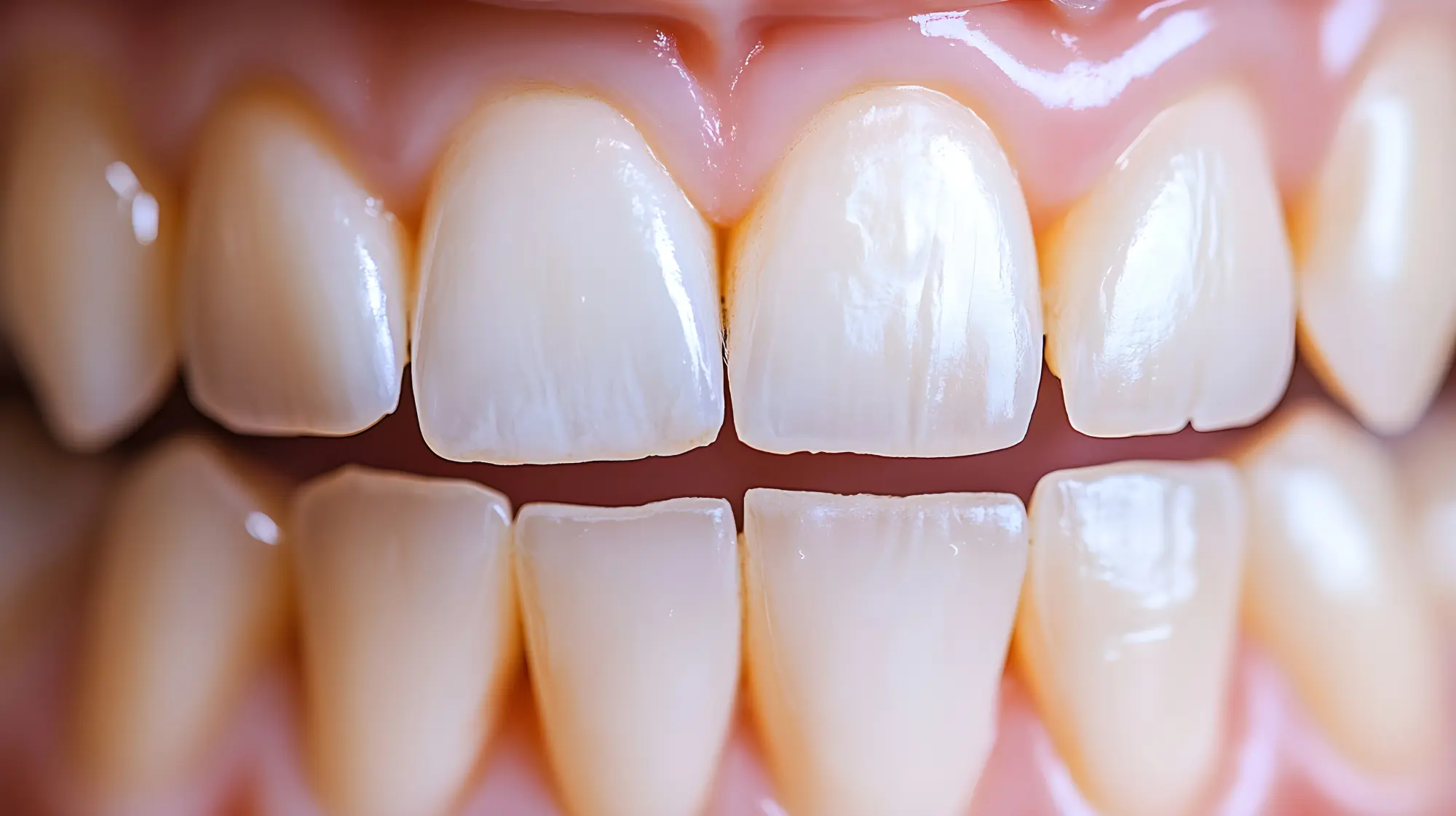
A pediatric pulpotomy is often referred to as a “baby root canal,” though it’s slightly less invasive. It’s a nerve-saving procedure used when a baby tooth is extensively damaged by decay or injury, and the inner part of the tooth, the pulp, is affected.
The pulp contains blood vessels and nerves, which can become inflamed or infected if bacteria enter due to untreated cavities or dental trauma. During a pulpotomy, the infected portion of the pulp is removed while the healthy pulp tissue is preserved.
This ensures that the tooth remains functional and properly supports the alignment of your child’s other teeth and jaw. Unlike extraction, a pulpotomy allows the tooth to stay in place until it naturally falls out, safeguarding the spacing needed for permanent teeth to come in correctly.
Why Does It Matter to Preserve Baby Teeth?
Parents often wonder, “Why go through the trouble to save a baby tooth when it’s going to fall out anyway?” While it might seem easier to extract the tooth, baby teeth play a vital role in your child’s oral and overall health:
- Guiding permanent teeth: Baby teeth act as placeholders that help permanent teeth erupt in the correct position.
- Speech development: Teeth support proper pronunciation and speech formation.
- Chewing and nutrition: Healthy teeth make eating easier, contributing to good nutrition and growth.
- Building confidence: A complete smile helps your child feel confident and avoid potential self-esteem issues.
At Bloom Pediatric Dentistry & Orthodontics, Dr. Merdad and Dr. Alkhunaizi understand how important it is to prioritize your child’s comfort and long-term well-being. From the moment you walk into our Fairfax office, our team focuses on compassionate, family-centered care to make every visit a positive experience for your little one.
When Is a Pulpotomy Necessary?
A pediatric pulpotomy is usually recommended if:
- A baby tooth has deep decay that reaches the pulp.
- Your child experiences lingering sensitivity or pain, especially to hot or cold foods.
- There’s visible swelling or redness around the affected tooth, which could signal infection.
- Your child reports discomfort while chewing or biting down.
- An injury to a tooth exposes the inner soft tissue.
Our board-certified pediatric dentists bring nearly two decades of experience in diagnosing and treating these issues with advanced training and expertise. You can trust our gentle, proven approach to care for your child’s smile with precision and care.
What to Expect During a Pulpotomy Procedure
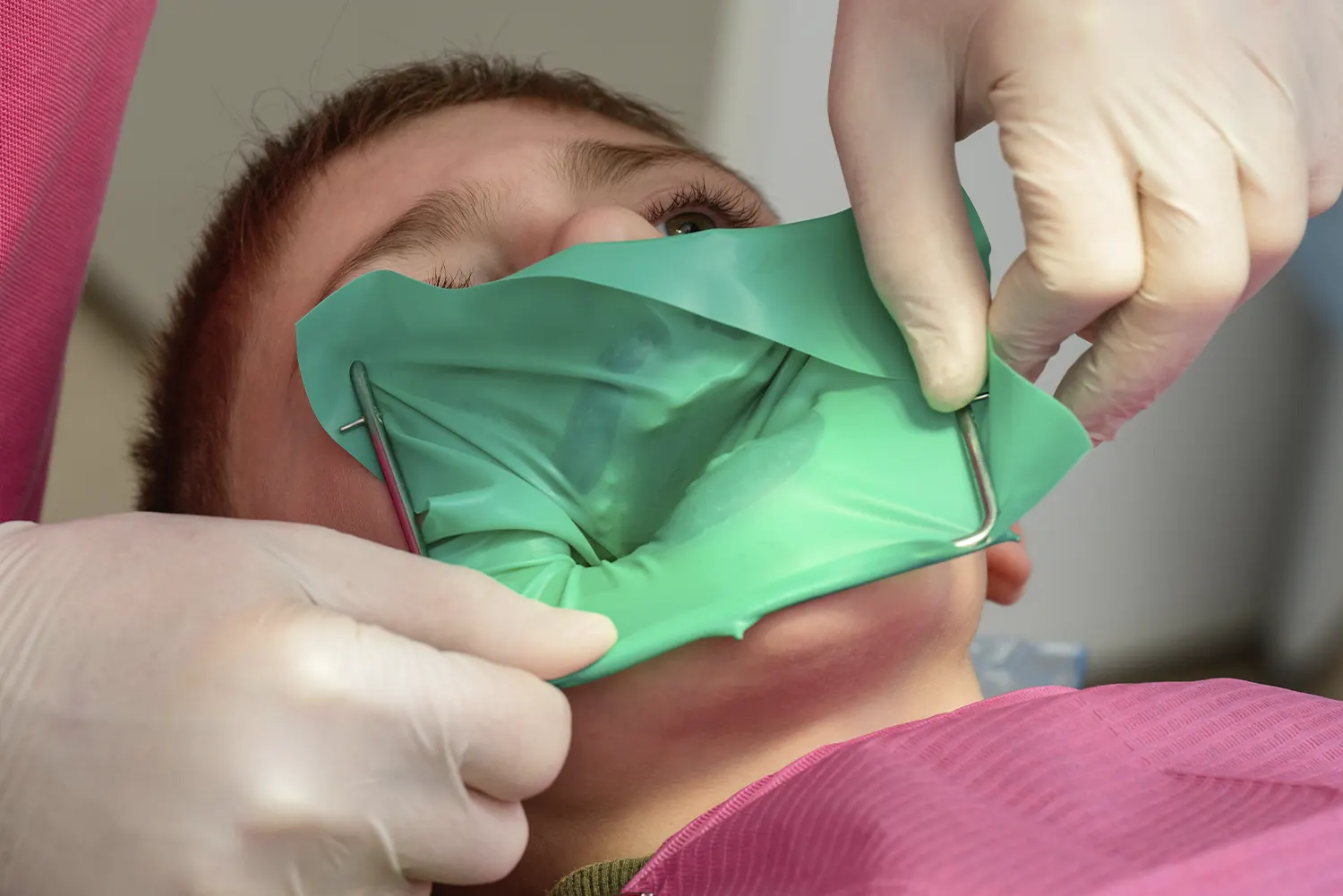
We understand that any dental procedure can sound intimidating, especially when it involves your child. Rest assured, a pulpotomy at Bloom Pediatric Dentistry & Orthodontics is designed to be as comfortable as possible, with minimally invasive techniques and soothing reassurance every step of the way:
- Gentle numbing: Local anesthesia is applied to ensure the procedure is pain-free.
- Removal of infected tissue: The dentist carefully removes only the affected portion of the pulp while preserving the healthy tissue.
- Medication application: A biocompatible material is placed to protect the remaining pulp from further infection and promote healing.
- Restoration: The tooth is capped with a crown to strengthen it and restore its function.
Our office takes pride in caring for children’s unique needs, offering comforting distractions like fun, child-friendly décor to create a welcoming environment. We even have an in-house membership plan starting at $150/year to make preventive care and treatments simpler to manage without stressing over dental insurance.
Frequently Asked Questions About Pulpotomies
Is a pulpotomy painful for my child?
No. With gentle numbing techniques and our team’s reassuring approach, your child should feel little to no discomfort during the procedure. We’ll take the time to walk you and your child through every step to ensure complete comfort.
How long does a pulpotomy last?
The procedure itself typically takes about 30-45 minutes, depending on the tooth being treated. The restored tooth is designed to last until it naturally falls out as the permanent (adult) tooth emerges.
What happens if I delay care?
Delaying treatment can lead to worsening pain for your child, increased risk of infection, and eventual damage to the underlying permanent tooth. Early intervention protects your child’s smile and prevents more complex or costly issues down the road.
Explore Pulpotomies With Your Partner in Pediatric Dental Care
At Bloom Pediatric Dentistry & Orthodontics, Dr. Merdad and Dr. Alkhunaizi are passionate about helping your child thrive with healthy, confident smiles. Our holistic, personalized approach ensures treatments like a pediatric pulpotomy don’t just solve today’s dental concerns. They set the foundation for a lifetime of optimal oral health.
If your little one has been complaining of an aching tooth or you’ve noticed signs of decay, take the stress out of the equation. Call our Fairfax, VA office today at (571) 512-7788 to schedule an appointment. Let’s work together to protect their smile and keep their growing teeth on a healthy path!
Related Articles